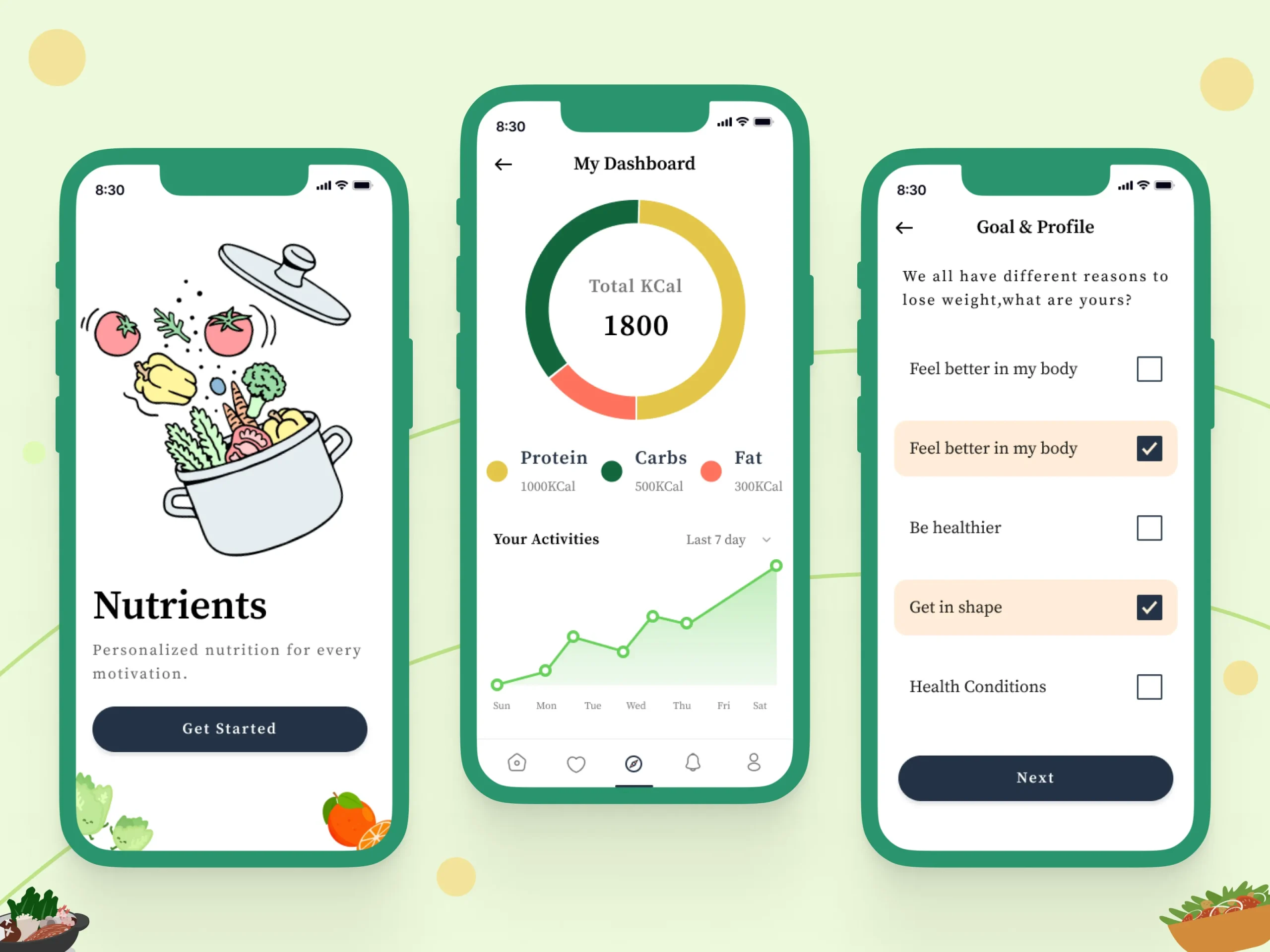
When I first downloaded a nutrition tracking app, I did not do it to change my life. I did it out of curiosity. I wanted to see how much I actually ate in a day. Like many people, I believed I had a “mostly healthy” diet.
The app told a different story.
It was not shocking, but it was honest. Too much sugar on busy days, too little protein on others, and fiber missing more often than I expected. That moment made me realize that nutrition tracking apps are not about perfection. They are about awareness.
Over time, I tried different apps, not to find the best one, but to understand how accurate they are, what they do well, and where they fall short.
The Promise of Accuracy
Most nutrition apps promise accuracy. They show calories, macros, micronutrients, and sometimes even meal scores.
In reality, accuracy depends on effort and context.
If you scan packaged food, the data is usually reliable. If you eat home-cooked meals, accuracy becomes an estimate. A spoon of olive oil can change calories significantly, but who measures every spoon?
Apps work best when used consistently, not perfectly.
They show trends, not exact truths.
Where Nutrition Apps Really Help
The biggest benefit is not calorie counting. It is pattern recognition.
After weeks of logging meals, patterns appear naturally. Late-night eating affects sleep. Skipping breakfast leads to overeating later. High-protein meals improve focus.
Apps turn food into feedback.
They also help with portion awareness. Many people eat healthy food but in unhealthy amounts. Seeing portions visually changes behavior quietly.
This is where technology shines.
Different Apps, Different Strengths
Some apps focus on calorie tracking. Others focus on macros. Some emphasize mindful eating. A few integrate with wearables to connect food with activity and sleep.
No single app is perfect.
The best app is the one you can use without stress.
If an app feels strict, it will not last. If it feels supportive, it becomes a habit.
The Limitations No One Talks About
Nutrition apps struggle with culture.
Traditional meals, mixed dishes, street food, and home recipes are hard to log accurately. Food is emotional and cultural, not just nutritional.
Apps also cannot understand hunger signals. They cannot feel fullness, cravings, or stress-eating moments.
They provide numbers, not context.
Another limitation is obsession. For some people, tracking every bite becomes mentally exhausting. When numbers control food choices, balance is lost.
Accuracy Versus Real Life
Real life is messy.
Meals change. Ingredients vary. Portions are estimated.
Expecting perfect accuracy leads to frustration.
The best users treat apps as guides, not judges.
Accuracy matters less than consistency.
Learning Without Judging
One thing I appreciate about modern nutrition apps is flexibility.
They allow missed days. They allow imperfect entries.
This reduces guilt.
Health should not feel like punishment.
Technology as a Mirror
Nutrition tracking apps act like mirrors.
They reflect habits honestly.
Some people stop using them because they do not like what they see. Others adjust slowly.
Both reactions are human.
Who Should Use Nutrition Tracking Apps
These apps are helpful for:
- People learning about nutrition
- Those managing specific goals
- Anyone wanting awareness
They are less helpful for:
- People prone to food anxiety
- Those seeking perfection
- Anyone expecting exact answers
The Right Way to Use Them
The right way is simple.
Track to learn, not to control.
Use insights, not rules.
Listen to your body alongside the app.
Final Thoughts
Nutrition tracking apps are tools, not solutions.
They offer awareness, not wisdom.
Used gently, they improve understanding.
Used obsessively, they create stress.
Technology works best when it supports balance.
And balance, in the end, is what healthy eating is really about.
Leave a Reply