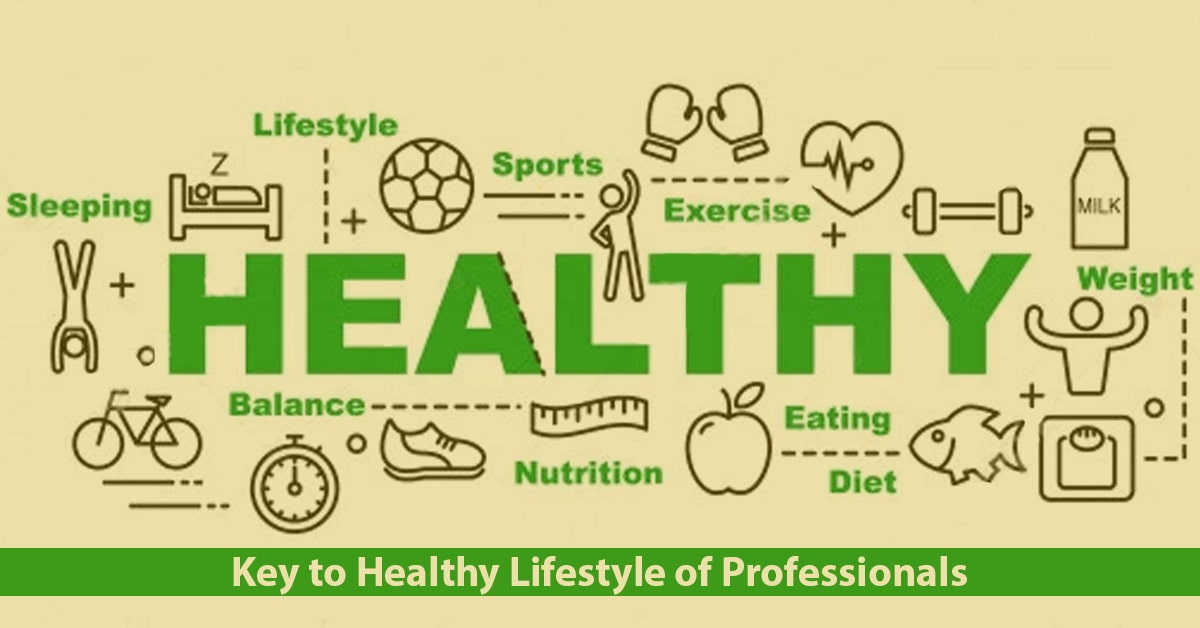
For a long time, health was something we thought about only when something went wrong. You felt tired, you ignored it. You felt stressed, you pushed through. Daily habits rarely felt connected to long-term health.
Data, apps, and wearable devices are slowly changing this mindset. Not loudly, not dramatically, but steadily. They are turning lifestyle health into something visible, measurable, and easier to understand.
When Health Became Measurable
The first big change came when everyday health became measurable.
Steps, heart rate, sleep, stress, calories, screen time — things we once guessed are now tracked automatically. At first, these numbers felt like curiosities. Over time, they became insights.
Seeing patterns made a difference. Sleep quality affected mood. Movement affected energy. Stress affected digestion. Lifestyle health stopped being an abstract idea and became a daily experience.
Data did not judge. It simply showed reality.
Apps as Daily Health Companions
Health apps are no longer just fitness trackers. They have become daily companions.
They remind us to move, drink water, breathe, rest, and sleep on time. These reminders are small, but consistent. Over months, they influence behavior.
Unlike strict health programs, apps adapt. They learn routines. They adjust goals. They respond to lifestyle changes.
This flexibility makes them sustainable.
Wearables and Passive Health Tracking
One of the biggest advantages of wearables is passive tracking.
You do not need to log everything manually. Devices collect data in the background while you live your life.
This reduces pressure. Health tracking becomes effortless.
Over time, wearables create a personal health history. This long-term view is powerful. It shows progress and warns about decline.
From Fitness to Lifestyle Health
Earlier, technology focused mainly on fitness.
Now the focus has shifted to lifestyle health — a broader picture that includes sleep, stress, recovery, mental well-being, and balance.
This shift feels more realistic.
Not everyone wants to run marathons. Most people want to feel energetic, sleep better, manage stress, and stay healthy long term.
Technology is finally aligning with these goals.
Data Turning Into Insight
Raw data alone is overwhelming.
The real change happened when apps started converting data into simple insights.
Instead of numbers, we now see messages like:
- You slept less this week.
- Your stress is higher than usual.
- Recovery is taking longer.
These insights guide small actions.
Small actions create big changes.
Personalization Is the Future
Lifestyle health is deeply personal.
What works for one person may not work for another. Data allows personalization.
Apps learn individual patterns. Wearables understand personal baselines. AI adjusts recommendations.
This makes health advice more relevant and practical.
No generic plans. No unrealistic goals.
Just guidance based on your own data.
Long-Term Thinking Over Quick Fixes
Technology encourages long-term thinking.
Instead of focusing on quick results, it highlights consistency. It values habits over intensity.
This approach reduces burnout.
Lifestyle health becomes something you build slowly, not something you force.
Better Conversations With Healthcare Professionals
Another important change is how data supports healthcare conversations.
Instead of vague explanations, users can share trends.
Doctors gain context. Advice becomes more accurate.
Technology does not replace medical care. It enhances it.
Mental Health Becomes Visible
Stress, burnout, and poor sleep often go unnoticed.
Wearables and apps help make mental health visible through patterns.
This visibility encourages early action.
Rest becomes a priority. Recovery becomes acceptable.
This cultural shift matters.
The Challenge of Data Overload
With all these benefits comes one challenge — data overload.
Too many metrics can create anxiety.
The future of lifestyle health depends on simplicity.
Technology must guide, not overwhelm.
The best tools focus on clarity, not quantity.
Privacy and Trust
Lifestyle health data is sensitive.
Users must trust the technology they use.
Clear privacy policies, ethical data use, and transparency are essential.
Without trust, technology loses its value.
A New Health Mindset
Data, apps, and wearables are shaping a new health mindset.
Health is no longer something separate from daily life. It is integrated.
Every walk, every night of sleep, every stressful day becomes part of a larger picture.
This awareness empowers better choices.
Is This the Future of Health?
The future of lifestyle health is not hospitals and emergencies.
It is daily awareness, gentle guidance, and early prevention.
Technology makes this possible.
Not by controlling us, but by informing us.
Living With Technology, Not For It
The goal is not to chase perfect numbers.
The goal is to live better.
Technology works best when it supports life, not replaces it.
Final Thoughts
Data, apps, and wearables are shaping lifestyle health in quiet but meaningful ways.
They help us listen to our bodies.
They encourage balance.
They support prevention.
Most importantly, they remind us that health is not a destination.
It is a daily journey.
Leave a Reply