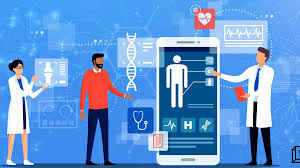
For most of my life, healthcare was reactive. You felt pain, you visited a doctor. You got sick, you rested. You waited until something went wrong before paying attention.
This way of thinking felt normal. In Turkey, like in many places, people often avoid doctors unless absolutely necessary. Health checks were something older people did, not young adults.
Technology slowly changed this mindset for me — not through fear, but through awareness.
Health as a Daily Process, Not an Emergency
The first thing preventive health technology taught me is that health is not an on-and-off switch. It is a daily process.
Wearable devices started tracking my heart rate, sleep, movement, and stress. At first, this felt unnecessary. I felt fine.
But over time, patterns appeared. On weeks when I slept poorly, my resting heart rate increased. When I moved less, my energy dropped. Stress followed me longer than I realized.
Nothing was wrong yet. But something was changing.
Preventive healthcare is not about diagnosing disease. It is about noticing shifts early.
Data That Tells a Story
One single day of data means nothing. Technology becomes powerful when it collects data over time.
Monthly and yearly trends show what memory cannot. They show how habits affect the body slowly.
I noticed how irregular sleep affected my immune system. Small colds lasted longer. Fatigue appeared more often. Technology did not tell me I was unhealthy. It showed me vulnerability.
This changed how I cared for myself.
Early Warnings Without Panic
One thing I appreciate about modern preventive health apps is their calm approach.
They do not create alarms for every small change. They highlight trends. They suggest rest. They encourage balance.
When my stress stayed high for several days, the app suggested slowing down. When my sleep score dropped consistently, it recommended recovery.
These suggestions felt supportive, not threatening.
From Doctor Visits to Health Conversations
Preventive technology changed how I think about doctors.
Instead of visiting only when sick, I started viewing health check-ups as conversations.
Having data helped. I could explain habits clearly. Doctors could give better advice.
Technology did not replace medical care. It improved communication.
Lifestyle Is the First Line of Defense
Most health problems do not appear suddenly. They grow slowly through lifestyle habits.
Technology helps monitor these habits.
Movement, sleep, stress, nutrition — these are not medical treatments, but they are powerful preventive tools.
By tracking them, technology helps reduce risk before treatment is needed.
The Role of AI in Prevention
Artificial intelligence adds another layer to preventive healthcare.
AI connects data points. It recognizes patterns humans miss. It learns what is normal for your body.
When something changes, it alerts you gently.
This does not mean predicting illness with certainty. It means increasing awareness.
Awareness leads to action.
Privacy and Responsibility
Preventive health technology collects sensitive data. Trust matters.
Users must choose tools carefully. Transparency is important.
Technology should empower, not exploit.
Prevention Is Not Perfection
Preventive healthcare is not about achieving perfect health.
Life happens. Stress appears. Sleep is missed.
Technology works best when it supports recovery, not perfection.
It teaches resilience.
A Cultural Shift in Healthcare
Preventive health technology represents a cultural shift.
We move from treating illness to supporting wellness.
This shift feels especially important for younger generations who live in fast-paced digital environments.
Technology meets us where we are.
Does Preventive Healthcare Really Work?
From my experience, yes — quietly.
I get sick less often. I recover faster. I listen to my body more.
Not because technology saved me, but because it made me aware.
A New Relationship With Health
Preventive healthcare through technology changed my relationship with my body.
Health no longer feels like something outside my control.
It feels like a partnership.
Technology listens. I respond.
That balance feels empowering.
As a young tech enthusiast from Turkey, I believe this is the future of healthcare — not dramatic breakthroughs, but steady awareness.
Tracking health before problems start is not about fear.
It is about care.
Leave a Reply