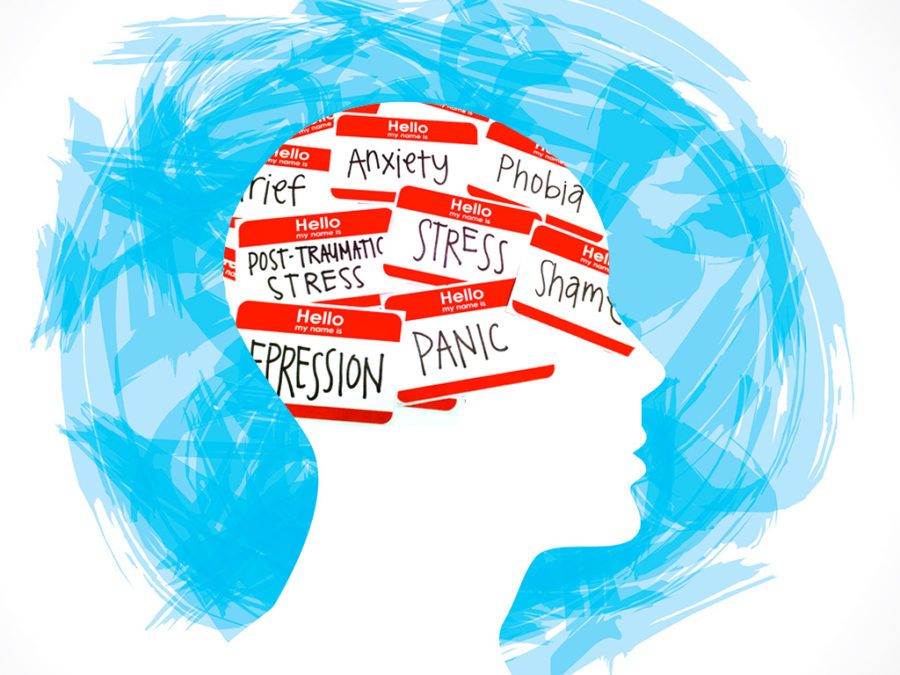
For a long time, I did not think of stress or anxiety as mental health issues. They were just part of life. Everyone I knew was tired. Everyone felt pressure. In Turkey, and in many other places, being busy and stressed is almost normal. You work hard, you push through, and you don’t complain.
I did the same.
But slowly, I started noticing changes. I felt mentally tired even when my body was rested. Small problems felt heavy. My focus was weak. I slept, but I did not feel refreshed. This was not illness, but it was not balance either.
Technology entered this part of my life quietly.
When Stress Became Visible
The first sign came from a wearable device that tracked stress levels using heart rate patterns. I did not fully trust it at first. How could a device know how I felt?
But over time, the patterns made sense.
On days filled with meetings, notifications, and deadlines, my stress levels stayed high. On days when I walked more or disconnected in the evening, they dropped.
Technology did not label my emotions. It showed physical reactions.
That made stress feel less personal and more manageable.
Apps That Create Space to Pause
Mental health apps do not shout. They whisper.
Breathing apps, meditation apps, focus timers, and relaxation sounds all serve one simple purpose — they create a pause.
In a world that constantly demands attention, even a short pause feels powerful.
I started using a simple breathing app during work breaks. Two minutes. Nothing dramatic. But those two minutes helped me reset.
The app did not solve my problems. It gave me space to face them calmly.
Anxiety Feels Different When You Observe It
Anxiety often feels confusing. It comes without warning. It grows without logic.
One thing mental health apps helped me do was observe anxiety instead of fighting it.
Mood tracking apps allowed me to note how I felt without judgment. Over time, I noticed patterns. Anxiety appeared when sleep was poor. When caffeine was high. When deadlines were unclear.
This awareness changed how I reacted.
Instead of asking, “What is wrong with me?” I started asking, “What changed today?”
Technology helped me ask better questions.
Burnout Is Not Sudden
Burnout does not happen overnight. It builds slowly.
Long hours. Little rest. No mental recovery.
Mental health apps helped me see this buildup before it became overwhelming. Weekly summaries showed consistent stress. Short sleep. Low recovery.
These were not alarms. They were signals.
Technology gave me the chance to slow down before burning out completely.
Can Apps Replace Human Support?
This question matters.
Mental health apps are not therapists. They cannot understand personal history, deep trauma, or complex emotions.
But they do something important — they lower the barrier to care.
Not everyone is ready to talk. Not everyone has access to professional support. Apps provide a starting point.
For me, they acted as companions, not solutions.
The Danger of Over-Reliance
There is a risk.
Relying too much on apps can create distance from real emotions. Checking mood scores instead of feeling feelings. Tracking stress instead of addressing causes.
I noticed this once. I checked data instead of resting. I analyzed instead of breathing.
That was my reminder to step back.
Technology should support mental health, not become another source of pressure.
Simple Tools, Real Impact
The most effective mental health tools are often simple.
Guided breathing. Sleep sounds. Short reflections. Focus sessions.
They do not promise happiness. They offer calm.
For someone like me, who lives in a digital environment, these small tools made a real difference.
Mental Health Is Daily, Not Occasional
One important lesson technology taught me is that mental health is not something you fix once. It is something you maintain daily.
Apps work best when used regularly, not only during crises.
Short moments of calm build resilience over time.
Privacy and Trust Matter
Mental health data is personal. Trust matters.
I choose apps carefully. I avoid those that feel invasive or aggressive. Transparency is important.
Technology should respect emotional boundaries.
Can Technology Reduce Stress, Anxiety, and Burnout?
Based on my experience, yes — but with conditions.
Apps cannot remove life’s pressures. They cannot eliminate anxiety completely. They cannot prevent burnout on their own.
What they can do is increase awareness, encourage pauses, and support healthier habits.
They give tools, not cures.
A More Honest Relationship With the Mind
Technology helped me stop ignoring my mental state.
It made stress visible. Anxiety understandable. Burnout preventable.
Not perfectly, but enough.
As a young tech enthusiast from Turkey, I see this as progress. Not because technology replaces human care, but because it makes care more accessible.
Mental health is not about being calm all the time. It is about recognizing when you are not.
And sometimes, a small app is enough to remind you to breathe, pause, and take care of yourself.
Leave a Reply