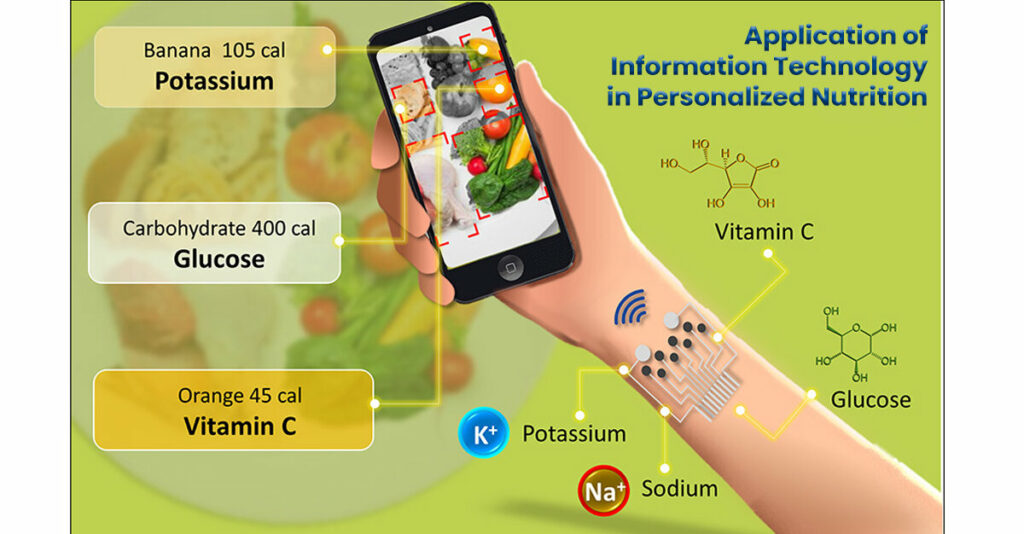
When I first heard the phrase “personalized nutrition,” it sounded expensive and complicated. It felt like something meant for athletes, influencers, or people with too much time. In Turkey, food has always been personal in a different way — family recipes, local ingredients, seasonal eating, and habits shaped by culture rather than data.
So when apps started promising nutrition plans “made just for you,” I was skeptical.
Could technology really understand my body better than my own experience? Or was this just another digital trend?
I decided to find out by using these tools myself.
From General Advice to Personal Signals
For most of my life, nutrition advice was general. Eat more vegetables. Reduce sugar. Drink more water. These are good suggestions, but they are the same for everyone.
Personalized nutrition apps promised something different. They asked about age, height, weight, activity level, sleep, stress, and food preferences. Some even connected with wearables to track daily movement and rest.
Suddenly, nutrition felt less like a rulebook and more like a conversation.
Instead of telling me what I should eat, the app tried to understand how I live.
That difference matters.
What Personalization Really Means
Many people imagine personalized nutrition as a perfect daily menu generated by artificial intelligence. In reality, it is much simpler and more realistic.
Personalization means adjusting suggestions based on patterns. It means recognizing that my busy workdays need simpler meals. It means understanding that my digestion reacts differently to certain foods. It means noticing that I eat too little protein when stressed or skip meals when distracted.
Technology does not create a new body. It learns from the one you already have.
This felt less invasive than I expected.
Food Is Emotional, Not Just Technical
One concern I had was whether technology would ignore the emotional side of eating. Food is not just fuel. It is comfort, memory, and connection.
At first, I worried that personalized plans would push me away from traditional Turkish food. Instead, they encouraged balance.
The app did not tell me to stop eating what I love. It suggested portions, timing, and combinations. It respected culture while offering structure.
That balance made the experience sustainable.
Small Adjustments, Not Radical Change
The biggest benefit of personalized nutrition, in my experience, was how gentle it was.
There were no extreme restrictions. No dramatic transformations. Just small adjustments.
More vegetables on some days. Better timing of meals. Slightly higher protein intake when exercising more. More hydration during long work hours.
These changes did not feel like dieting. They felt like awareness.
Technology helped me notice habits I ignored before.
Is the Data Always Right?
This is where realism is important.
Technology depends on data, and data is not perfect. Food logging can be inaccurate. Wearables sometimes guess. Apps cannot understand emotions fully.
There were days when the app’s suggestions felt off. Days when it assumed too much or too little.
But I learned that personalization improves over time. The more honestly you use it, the better it adapts.
Still, blind trust is not healthy.
Technology should be questioned, not worshipped.
The Risk of Over-Personalization
One danger of personalized nutrition is obsession.
When everything becomes tracked and optimized, food can lose joy. Constant monitoring can create stress instead of health.
I felt this briefly. Checking every detail. Comparing days. Trying to “fix” every small deviation.
That was the moment I stepped back.
Personalized nutrition works best when you focus on long-term trends, not daily perfection. Bodies change. Life changes. Flexibility matters.
Does Personalized Nutrition Actually Help?
After months of using these tools, I asked myself this question honestly.
Did it improve my health?
The answer was yes — but not in a dramatic way.
I felt more energetic. My digestion improved. My eating became more regular. I stopped skipping meals unintentionally. I made better choices without feeling restricted.
The benefit was subtle, but real.
Technology did not change my body overnight. It changed my relationship with food.
Not a Replacement for Medical Advice
It is important to say this clearly.
Personalized nutrition apps are not doctors. They cannot diagnose conditions. They cannot replace professional guidance for serious health issues.
But for everyday health, they fill an important gap.
They offer structure where there was confusion. Awareness where there was guessing.
And they do it without judgment.
Tradition and Technology Can Coexist
As someone who values both tradition and innovation, this was important to me.
Personalized nutrition does not need to erase cultural food habits. When designed well, it adapts to them.
Technology becomes a bridge, not a barrier.
It helps modern lifestyles respect ancient wisdom.
Hype or Real Benefit?
So, is personalized nutrition using technology just hype?
I do not think so.
But it is not magic either.
The real benefit lies in awareness, consistency, and gentle guidance. Not in perfect plans or dramatic promises.
Technology works best when it supports human intuition, not when it tries to replace it.
A Smarter Way to Eat, Not a Perfect One
Personalized nutrition taught me one important lesson.
Eating well is not about doing everything right. It is about doing small things better, more often.
Technology helps with that.
It listens. It learns. It suggests.
But the final decision still belongs to us.
And that is exactly how it should be.
Leave a Reply