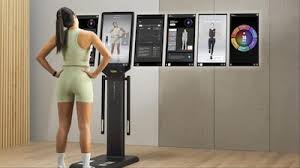
If someone had told me a few years ago that I would be exercising in my room, guided by a screen instead of a person, I would have laughed. In Turkey, fitness always felt physical and social — gyms, parks, trainers shouting encouragement, and friends pushing each other to do one more set.
Today, in 2026, fitness looks very different.
Digital fitness quietly entered my life during busy workdays and long hours in front of a laptop. I did not join it with big goals. I joined it because I had little time and even less energy to commute to a gym.
What I discovered surprised me.
Home Workouts Became Real Workouts
At first, home workouts felt light and casual. Short videos, simple movements, and no pressure. But as platforms improved, so did the quality.
Now, workout apps adjust difficulty based on performance. They remember how tired I was yesterday. They suggest shorter sessions on stressful days and longer ones when I have more energy.
Exercising at home no longer feels like a compromise. It feels efficient.
I can work out for twenty minutes, shower, and continue my day. No travel, no waiting, no feeling uncomfortable. Just movement.
Virtual Trainers Feel More Human Than Expected
The idea of a virtual personal trainer once felt cold to me. How could software replace a human trainer?
It doesn’t replace one. But it does something different.
Virtual trainers today speak calmly, explain form clearly, and adjust workouts in real time. Some even use camera feedback to correct posture. They do not judge. They do not rush. They are patient.
As someone who is still learning fitness basics, this patience matters.
The trainer adapts to me, not the other way around.
Consistency Finally Became Possible
The biggest benefit of digital fitness is not intensity. It is consistency.
Earlier, missing one gym session often led to missing many. With digital fitness, restarting is easy. You do not feel guilty. You just open the app and continue.
Even on low-energy days, I can stretch, walk indoors, or follow a short mobility routine. Something is always better than nothing.
Technology removed the all-or-nothing mindset from fitness.
Fitness Is Becoming Personal, Not Public
One thing I really appreciate is privacy.
Not everyone feels confident exercising in public spaces. Digital fitness removes that barrier. You can be a beginner without feeling watched.
For many young people, especially those working from home, this makes fitness approachable.
Fitness becomes about health, not appearance.
Is Digital Fitness the Future?
I believe digital fitness is not a trend. It is an evolution.
Gyms will still exist. Outdoor workouts will still matter. But digital fitness fills a gap — flexibility, personalization, and accessibility.
It allows fitness to fit into life instead of forcing life to fit around fitness.
Balance Still Matters
Technology makes fitness easier, but it cannot replace discipline completely. There are days when motivation is low, and the app alone cannot fix that.
Digital fitness works best when we remember why we move — to feel better, stronger, and calmer.
Technology can guide the body, but intention still comes from the mind.
A Quieter, Smarter Fitness Lifestyle
In 2026, fitness is no longer loud or aggressive. It is quieter and smarter.
It happens in living rooms, bedrooms, and small spaces. It adapts to busy schedules and changing moods.
For me, digital fitness did not turn me into an athlete. It turned movement into a habit.
And that, I believe, is real progress.
Leave a Reply