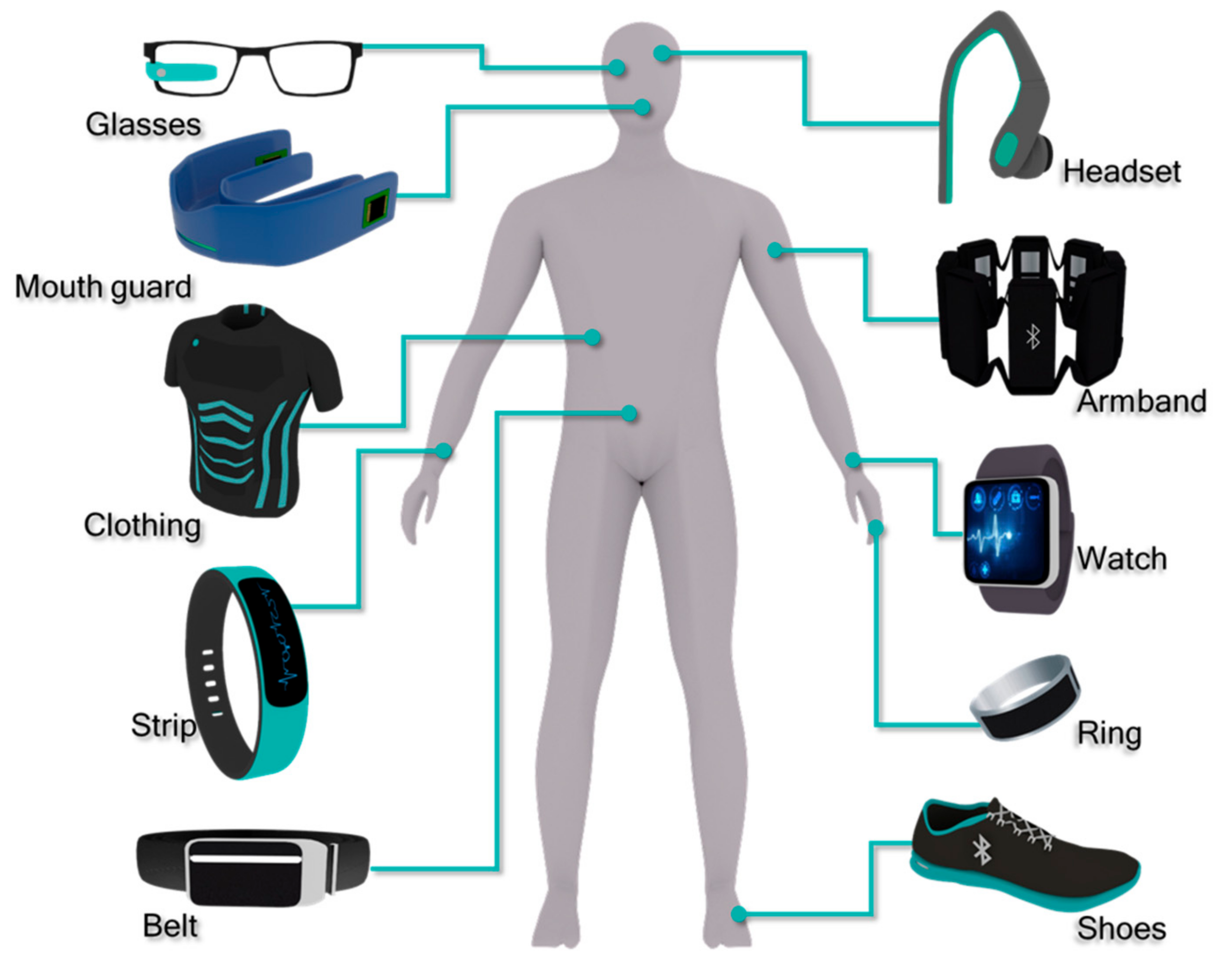
The first wearable device I ever used was not very impressive. It counted steps, showed the time, and needed charging almost every day. I bought it mostly out of curiosity, not because I wanted to change my lifestyle.
I did not expect it to change how I think about my body.
At first, wearing a health tracker felt like a small experiment. I wanted to see how much I walked, how long I slept, and whether the numbers meant anything at all. Slowly, those numbers started telling a story about my daily life.
When Daily Movement Becomes Visible
Before using a wearable device, I believed I was active enough. I moved around, went out, and felt busy. But my step count told a different story. On many days, I barely moved beyond what was necessary.
Seeing that number made me uncomfortable, but also curious.
I started walking a little more, not to chase a target, but to feel better about the day. Sometimes it was just a short walk after dinner. Sometimes it was choosing stairs instead of the elevator. Small decisions, guided by simple data.
Wearable devices turn movement into something visible. And when something becomes visible, it becomes easier to change.
Sleep Tracking Changed My Nights
Sleep was the biggest surprise for me.
I always thought I slept fine. I went to bed late, woke up tired, and assumed that was normal. My wearable showed me how often I woke up during the night and how short my deep sleep actually was.
This did not scare me. It educated me.
I stopped using my phone right before bed. I reduced late-night tea and coffee. I tried sleeping at a more regular time. Slowly, my sleep improved — not because the device forced me, but because it made me aware.
Sleep tracking turned rest into something I respected more.
Health Data Without Medical Fear
One thing I like about wearable devices is that they bring health data into daily life without fear. Heart rate, stress levels, breathing patterns — these used to feel like medical topics. Now they feel normal.
When my stress level is high, my watch reminds me to slow down. When my heart rate is unusually elevated, I pay attention to how I feel. Not with panic, but with curiosity.
This does not replace doctors. It prepares you to understand your body better before you need one.
Motivation Without Pressure
Some people say wearables create pressure. Chasing goals, closing rings, and hitting targets can feel exhausting.
I understand that feeling.
But for me, wearable devices work best when I ignore perfection. I do not try to win every day. I focus on trends, not scores.
If I move more this month than last month, that is progress. If I sleep better this week than last week, that is enough.
Wearables are helpful when they motivate gently, not when they turn life into a competition.
Are They Really Improving Our Lifestyle?
This is the real question.
Wearable devices do not magically improve life. They do not walk for you, sleep for you, or reduce stress by themselves. What they do is reflect your habits honestly.
They hold up a mirror.
For some people, that mirror is uncomfortable. For others, it is empowering. It depends on how you use it.
For me, wearables helped me become more intentional. I move with awareness. I rest with purpose. I notice patterns instead of ignoring them.
That feels like improvement.
Technology Should Fit Life, Not Control It
There are days when I do not wear my device. There are weekends when I ignore the data completely. And that is okay.
Technology should fit into life, not dominate it.
Wearable devices are tools. When used with balance, they help us build healthier habits without forcing change.
As a young person who loves technology but values real life, I believe wearables are at their best when they stay quiet in the background — observing, reminding, and supporting.
Not judging.
A More Conscious Way of Living
Wearable health tracking did not turn me into a fitness expert or a perfect sleeper. It turned me into a more conscious person.
And sometimes, consciousness is the biggest lifestyle upgrade of all.
Leave a Reply