When I was growing up, the kitchen was the most human place in our home. It smelled of spices, warm bread, and tea. Cooking was slow, sometimes messy, and always emotional. No screens, no timers that talked back, no apps telling us how much oil to use. Food was guided by experience and intuition.
As someone who loves technology, I never imagined that the kitchen would become one of the most interesting places where technology and health meet.
But it has.
Today, technology is quietly changing how we cook, what we eat, and how we think about food. Not by replacing tradition, but by supporting it in a new way.
From Guesswork to Gentle Guidance
Earlier, cooking was based on guessing. A little more salt. A bit less oil. Cook until it “looks right.” This worked well when we cooked often and had time.
Modern life is different.
Many young people cook less, rush more, and rely on quick meals. This is where smart kitchen tools step in.
Smart cooking apps now guide recipes step by step. They adjust cooking time based on portion size. They suggest healthier alternatives without forcing change.
For someone like me, who enjoys cooking but struggles with consistency, this guidance feels helpful, not controlling.
Smart Appliances That Learn With You
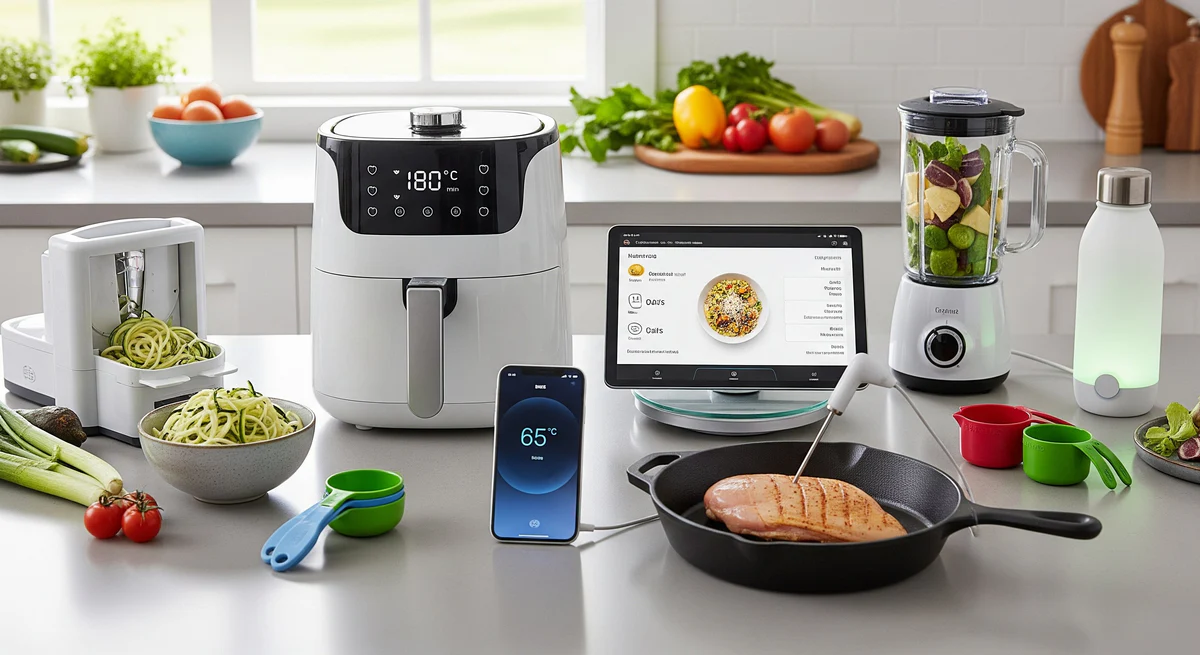
The first smart appliance I used was a digital air fryer. I was skeptical. Could it really make food healthier without losing taste?
To my surprise, it did.
Smart appliances like air fryers, smart ovens, and induction cooktops help control temperature and cooking time more precisely. This reduces overcooking, excess oil, and food waste.
Some appliances even remember your preferences. They learn how crispy you like your food or how soft you prefer vegetables.
Cooking becomes more predictable, which makes it less stressful.
Healthier Cooking Without Losing Flavor
One fear people have is that “healthy eating” means boring food.
Technology helped me realize that healthy cooking is not about removing flavor. It is about balance.
Recipe apps suggest simple changes — less oil, better cooking methods, more vegetables. They respect taste.
In Turkish cooking, flavor comes from spices, herbs, and slow cooking. Smart kitchens support these traditions by making techniques easier and more consistent.
Planning Makes Eating Better
One of the biggest changes technology brought to my kitchen is planning.
Meal planning apps help decide what to cook before hunger arrives. This reduces impulsive eating and last-minute unhealthy choices.
Some apps create shopping lists. Others suggest meals based on what you already have. This saves money and reduces waste.
Planning turns cooking from a chore into a decision made calmly.
Smart Kitchens Encourage Home Cooking
When cooking becomes easier, people cook more.
Technology removes barriers. You don’t need to remember everything. The app reminds you. The appliance handles timing. The recipe guides you.
This makes home cooking more accessible, especially for beginners.
And home cooking is still one of the healthiest habits we can have.
Data Meets Daily Food Habits
Smart kitchens now connect with nutrition apps. Calories, ingredients, and portion sizes can be tracked automatically.
I do not track every meal, but occasionally reviewing this data helps me stay aware.
Technology turns food into information without taking away its joy.
Respecting Culture in a Digital Kitchen
One thing I appreciate is how smart kitchen technology adapts to cultural food.
Many apps now include traditional recipes. They respect regional cooking styles. They do not force Western diets everywhere.
As someone from Turkey, this matters. Food is identity.
Technology works best when it adapts to culture, not when it erases it.
Not Everything Needs to Be Smart
It is important to say this — not every kitchen needs to be full of gadgets.
Technology should simplify, not complicate.
I still enjoy chopping vegetables by hand. I still taste food while cooking. I still cook without screens sometimes.
Smart kitchens work best when technology stays in the background.
Can Technology Really Change Cooking Habits?
Yes, but slowly.
Technology does not force people to eat better. It makes better choices easier.
When healthy cooking becomes convenient, people choose it more often.
That is how habits change.
A Kinder Relationship With Food
Smart kitchens helped me become more patient with cooking. Less pressure. Less guessing. Less waste.
Food feels intentional again.
As a young tech enthusiast, I see this as progress. Not because kitchens are becoming digital, but because cooking is becoming more accessible.
Technology is helping us return to home-cooked food, not move away from it.
Tradition and Innovation at the Same Table
The kitchen is where old and new meet.
Grandmother’s recipes and smart timers. Handwritten notes and digital screens. Taste and data.
This balance feels right.
Healthy eating does not need to be extreme. It needs to be consistent.
And smart kitchens, when used wisely, help make consistency possible.
Leave a Reply