I grew up in a small city in Turkey where health and food were simple things. We ate what our parents cooked, walked a lot, and trusted doctors only when we were sick. Technology was mainly for phones, games, and the internet. Health and nutrition felt like something separate from technology.
But over the last few years, I have seen this change completely — in my own life and in the lives of people around me.
Today, technology is not just in our pockets. It is on our wrists, in our kitchens, inside our phones, and even shaping how we think about our bodies. As a young tech enthusiast, I find this transformation fascinating because it is personal. It affects how I eat, sleep, move, and even how I understand my health.
Health Is No Longer “Only for Doctors”
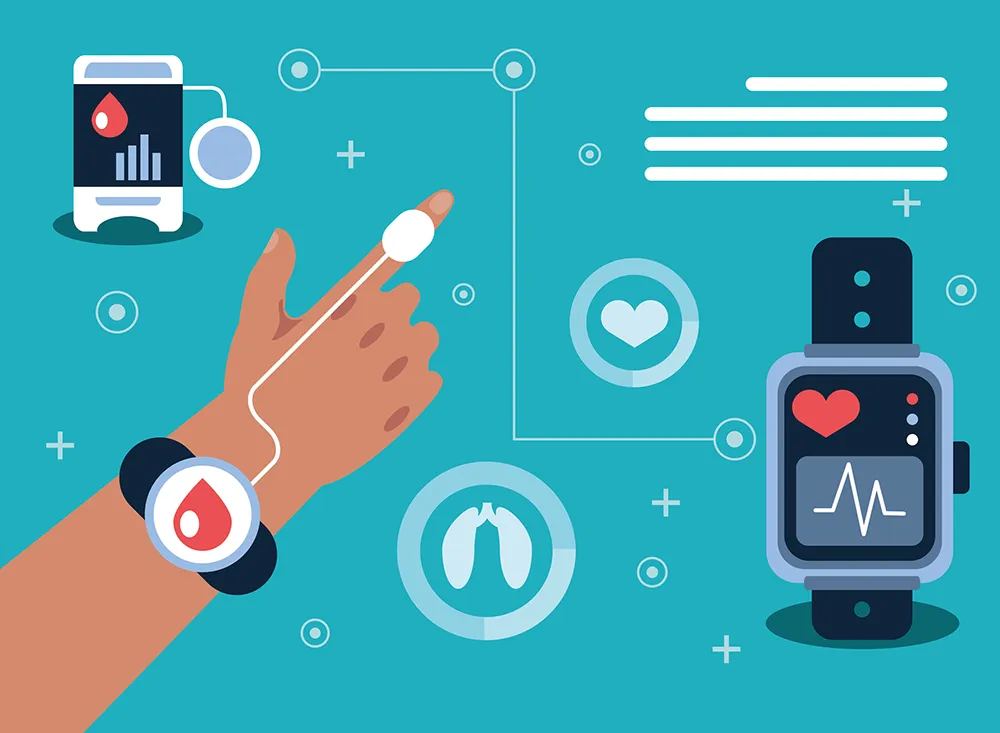
Earlier, health was something you discussed only during hospital visits. Now, health is part of daily life. Every morning, my smartwatch tells me how I slept. It shows my heart rate, stress level, and sometimes even reminds me to breathe slowly.
At first, I thought this was unnecessary. But slowly, I realized something important — I was becoming more aware of my body. I started noticing patterns. On days I slept late or ate heavy food at night, my sleep score dropped. On days I walked more, my mood was better.
Technology made health visible. It turned invisible body signals into simple numbers and graphs that anyone can understand.
Nutrition Is Becoming Smarter and More Personal
Food in Turkey is rich, flavorful, and emotional. We eat together, celebrate with food, and show love through cooking. But modern life has changed our eating habits. Fast food, packaged snacks, and irregular meals became common, especially for young people like me.
This is where nutrition apps entered my life.
I started using a food tracking app, not to follow a strict diet, but just to understand what I was eating. I was surprised. Some foods I thought were healthy were actually high in sugar. Some simple meals were much better than fancy packaged foods.
Technology did not tell me what to eat. It showed me information. And that information helped me make better choices.
Now, nutrition is no longer one-size-fits-all. Apps consider age, activity level, goals, and sometimes even medical conditions. This feels powerful because food becomes personal again, but guided by data.
Small Daily Habits, Powered by Technology
The biggest change technology has brought is not big medical breakthroughs, but small daily habits.
My phone reminds me to drink water. My watch reminds me to stand up after sitting too long. My fitness app celebrates when I complete my weekly walking goal. These are small things, but they add up.
Earlier, discipline depended only on willpower. Now, technology supports discipline gently. It nudges, reminds, and motivates without shouting.
For someone like me, who works long hours on a laptop, this support is valuable. I may forget to move, but my device does not.
Mental Health Is Finally Part of the Conversation
In many cultures, including ours, mental health was not openly discussed. Stress, anxiety, and burnout were considered normal or ignored.
Technology changed this too.
Meditation apps, breathing exercises, sleep sounds, and mood trackers made mental health feel approachable. You don’t need to explain your feelings to anyone if you are not ready. You can start quietly, with an app and a few minutes a day.
I personally use a simple breathing app during stressful workdays. It does not replace human connection, but it helps me pause. And sometimes, pausing is enough to reset the mind.
Data Is Teaching Us About Ourselves
One interesting thing about technology is data. Every step, calorie, heartbeat, and sleep cycle becomes data. At first, this feels strange — almost like being watched.
But when used correctly, data becomes a mirror.
Looking at weekly or monthly health data shows patterns that memory cannot capture. You see how lifestyle choices affect your body over time. This makes health less emotional and more practical.
Instead of saying “I feel tired all the time,” you can say “I sleep less than six hours on weekdays.” That clarity is powerful.
Technology Is Not Perfect, But It Is Helpful
Of course, technology is not magic. Apps can be inaccurate. Devices can fail. Too much tracking can even cause stress.
I learned that technology should support life, not control it.
The best use of health technology is balance — using it as a guide, not as a judge. Listening to your body still matters. Traditional food wisdom still matters. Doctors still matter.
Technology works best when it works with human experience, not against it.
A New Relationship With Health
As a young person who loves technology, I see this transformation as a new relationship with health and nutrition. It is more informed, more personal, and more continuous.
Health is no longer something we fix only when it breaks. It is something we manage gently, every day.
For me, technology did not replace tradition. It enhanced it. It helped me respect my body more, understand my habits better, and make smarter choices — without losing the joy of food and life.
Leave a Reply