For a long time, I did not think much about gut health. If my stomach felt heavy or uncomfortable, I blamed the food and moved on. In Turkey, we often say, “It will pass,” and most of the time, it does.
But modern life made these small issues more frequent. Irregular meals, long work hours, stress, and eating in a hurry slowly affected how I felt every day. I was not sick, but I was not fully comfortable either.
That was when I started paying attention to gut health — and surprisingly, technology helped me do that.
Listening to the Body Through Data
Gut health is difficult to understand because it does not always show clear symptoms. You may feel tired, bloated, or unfocused without knowing why.
When I started using a food and symptom tracking app, I noticed patterns. On days I ate too late, my sleep was worse. Certain foods made me feel heavy. Some meals gave me energy.
The app did not explain digestion like a doctor. It simply helped me connect food with feeling.
That connection changed everything.
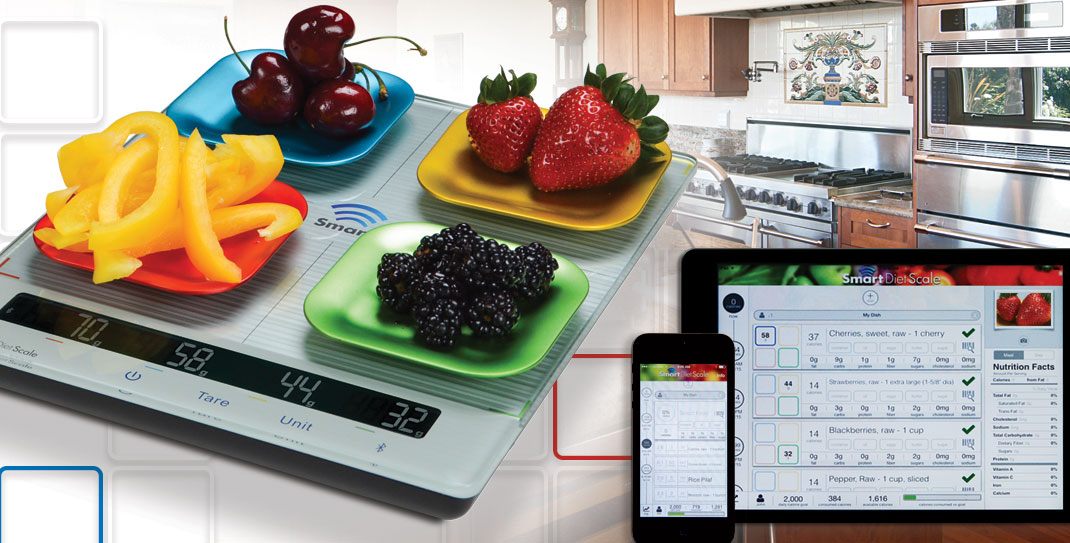
Smart Diet Tracking Made Food More Honest
Before tracking, food memory was unreliable. I remembered big meals, not small snacks. I forgot what I ate two days ago. Technology fixed that gap.
By logging meals, I could see how often I ate processed food, how little fiber I consumed on busy days, and how hydration affected digestion.
This was not about restriction. It was about honesty.
Smart diet tracking showed me what my gut had been trying to tell me quietly.
Sensors and the Future of Gut Health
The idea of sensors related to digestion once felt strange to me. Today, it feels normal.
Some wearable devices already track stress and sleep, which strongly affect gut health. New tools aim to understand digestion patterns through non-invasive methods. While these are still developing, the direction is clear.
Technology is moving toward understanding the gut as part of the whole body, not as a separate system.
As a tech enthusiast, I find this exciting because it shifts focus from treatment to understanding.
Stress, Gut, and Technology’s Role
One thing I learned quickly is that gut health is not only about food. Stress plays a big role.
On stressful days, my digestion felt worse even if I ate well. Tracking stress and sleep alongside food helped me see this clearly.
Technology made me realize that relaxing, breathing well, and sleeping properly are also part of gut health.
This connection felt empowering, not complicated.
No More Guessing, Just Adjusting
Earlier, I guessed what worked and what didn’t. Now, I adjust based on experience and data.
If something causes discomfort, I reduce it. If something helps, I repeat it. There is no strict rulebook, only learning.
Technology turns gut health into an ongoing conversation with the body.
Technology Is a Guide, Not a Doctor
I want to be clear about one thing. Apps and sensors do not replace medical advice. Serious gut issues need professional care.
But for everyday digestion, awareness is powerful.
Technology helps you notice small problems before they grow into big ones.
A Gentler Way to Care for the Body
Gut health taught me patience. Changes take time. Technology helps by showing slow progress, not instant results.
As someone living between tradition and modern tech, I see this as balance. Respecting the body while using tools that make listening easier.
Gut health meets technology not to control eating, but to understand it.
And understanding is always the first step to feeling better.
Leave a Reply